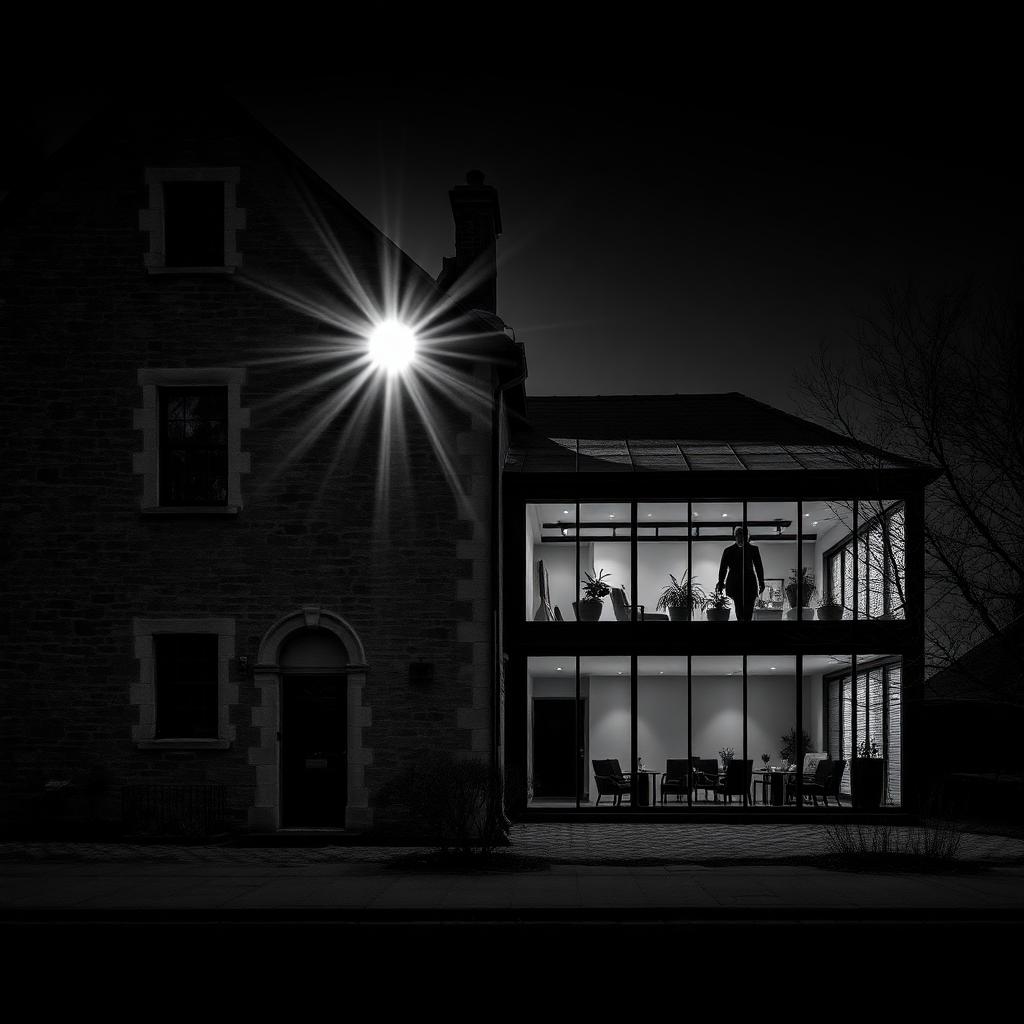
In the construction industry the term "sustainability" has been eroded by marketing overuse. It's often confused with simply installing solar panels or using materials with an "eco" label.
At Vizcaíno Arquitectura we advocate for Real Sustainability, grounded in building physics rather than trends. Sustainability applied with radically different strategies depending on whether we're facing a 19th-century building or a new-build development — but always with the same goal: reducing energy demand and increasing durability.
The myth of "Green Technology"
A poorly designed building isn't fixed by filling it with photovoltaic panels. That's just an energy "band-aid". True efficiency lies in passive design: reduce the demand for climate control before deciding which machine to install.
Strategy 1: Sustainability in Heritage (The wisdom of what exists)
Working on a historic building requires technical humility. These buildings operate on thermal inertia (thick walls that regulate temperature) and breathability.
The common mistake: Sealing them hermetically with plastic materials or airtight PVC windows that suffocate the building and cause condensation damp.
Our solution: We use lime mortars, natural insulation (cork, wood fibre) and joinery that lets the wall "breathe". We recover the original bioclimatic strategies (patios, cross-ventilation) and enhance them with invisible technology (concealed heat-pumps, underfloor heating).
Strategy 2: Sustainability in New Construction (Precision and Airtightness)
Here the rules change. In new construction we aim for the Nearly Zero-Energy Building (NZEB) standard.
- Passive Design: Solar orientation calculated to capture heat in winter and shade in summer through eaves and fixed louvres.
- The Thermal Envelope: We design without thermal bridges (energy leak points).
- Life-Cycle Management: We prioritise local materials with a low carbon footprint in their manufacture.
The Profitability of Sustainability
An efficient building isn't just an ethical responsibility; it's a superior financial asset.
- Lower OPEX (Operational Expenditure): Energy bills drastically reduced over the property's useful life.
- Higher Market Value: High energy certifications (A or B) are now an essential requirement for institutional investors and demanding end buyers.
Sustainability isn't a layer of green paint. It's constructive rigour. Whether we're restoring a heritage gem or building an investment from scratch, efficiency is non-negotiable in our methodology.